
"cacao powder"
70 article(s) found

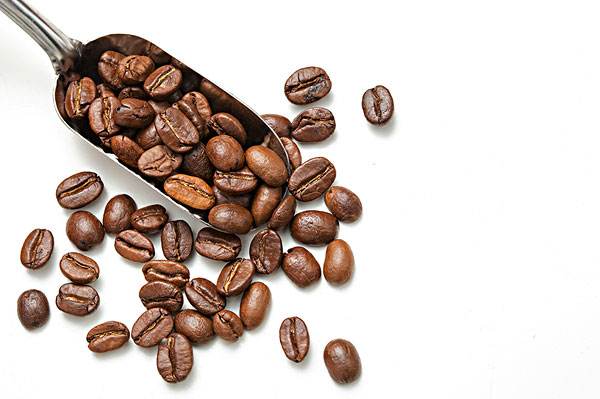
Coffee beans are the part of coffee fruit.-how do coffee beans make coffee?
Coffee beans are the part of coffee fruit-how do coffee beans make the evergreen leaves of coffee trees, with pointed ends and two opposite groups. The surface of the leaf is dark green, the back is light green, and the blooming flower is pure white. There are five stamens and one pistil in the flower, and the petals are usually five, but some are six or even eight. The flower will give off a jasmine fragrance.
What is the difference between cocoa and coffee? What is coffee? What do cocoa and coffee have?
Cocoa and coffee are the drinks we see most on Starbucks menu. many friends think that cocoa and coffee are the same plant, but in fact, cocoa and coffee are very different. Today, the editor will talk about the difference between cocoa and coffee. Cocoa: cacao (also known as cocoa.) One of the three largest beverage plants in the world, native to tropical America, which can be used as drinks and chocolates.

The difference between coffee and cocoa
Many friends think that cocoa and coffee are the same plant, but they are not. There is a big difference between cocoa and coffee.

There's actually a big difference between cocoa and coffee.
Many friends think that cocoa and coffee are the same plant, but they are not. There is a big difference between cocoa and coffee.
How many "aliases" are there for coffee beans?
Chocolate is one of the favorite snacks of many young friends. But many people think that cocoa and coffee are the same plant, but they are not. According to Fuligao coffee experts, there is a big difference between cocoa and coffee.

Winter coffee shop fancy coffee recommended hot coffee-20
[English name]: Cafe Carioca Coffee [English name]: Rio de Janeiro Coffee [material]: 100ml of deep-roasted coffee, 15g of sugar, 15ml of rum, 4 oranges (cut), 20g cream, a little orange powder [preparation]: put sugar, rum and orange slices in the cup and pour in the coffee. Top with a floating cover with stirred cream and sprinkle with orange powder (orange can also be used.

Introduction to the method of making espresso who invented espresso in the first place
Herbalife coffee Espresso Con Panna material: EspressoSolo1 cup (20ml / 30ml), 20 grams of fine sugar, right amount of fresh cream, right amount of cocoa powder: 1. Extract the Espresso Solo and inject it directly into the cappuccino cup. two。 Add the sugar to the cappuccino cup. 3. Squeeze in the whipped cream first. 4. And sprinkle with cocoa powder. Colette Coffee Espresso
The "seven weapons" necessary for baristas in the cafe.
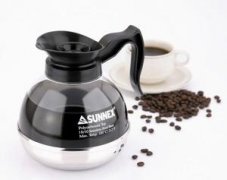
As a good barista, you must know seven kinds of carry-on weapons: the first is the milk pitcher. Basically, a small size of 2 people is used, but there is also a spare milk pot for 4 people. There are two types of upper and lower width and equal width, so you might as well choose a milk jug that is easier to use. The second is marocchino (Malocino) special tea.

As a good barista, you must not know the seven essential "portable weapons"
The first is the milk pitcher. Basically a small size for 2 people is used, but there is also a spare milk jug for 4 people. There are two types of thin and wide, and you may wish to choose your own milk pot that is more convenient to use. The second is the teaspoon used exclusively for marocchino. First put chocolate (or chocolate sauce) into a heat-resistant glass, add
Seven "coffee carry-on weapons" that you must not know.
The first is the milk pot (milk pitcher). Basically, a small size of 2 people is used, but there is also a spare milk pot for 4 people. There are two types of upper and lower width and equal width, so you might as well choose a milk jug that is easier to use. The second is the special teaspoon for marocchino. First put the chocolate (or chocolate sauce) into a heat-resistant glass and add
Seven "carry-on weapons" that baristas must know
The first is the milk pot (milk pitcher). Basically, a small size of 2 people is used, but there is also a spare milk pot for 4 people. There are two types of upper and lower width and equal width, so you might as well choose a milk jug that is easier to use. The second is the special teaspoon for marocchino. First put the chocolate (or chocolate sauce) into a heat-resistant glass and add
Seven "carry-on weapons" that baristas must know
The first is the milk pot (milk pitcher). Basically, a small size of 2 people is used, but there is also a spare milk pot for 4 people. There are two types of upper and lower width and equal width, so you might as well choose a milk jug that is easier to use. The second is the special teaspoon for marocchino. First put the chocolate (or chocolate sauce) into a heat-resistant glass and add
Coffee common sense baristas must not know the seven essential "portable weapons"
The first is the milk pitcher. Basically a small size for 2 people is used, but there is also a spare milk jug for 4 people. There are two types of thin and wide, and you may wish to choose your own milk pot that is more convenient to use. The second is the teaspoon used exclusively for marocchino. First put chocolate (or chocolate sauce) into a heat-resistant glass, add

Baristas must see the "seven weapons" that baristas must have.
As a good barista, you must know seven kinds of carry-on weapons: the first is the milk pitcher. Basically, a small size of 2 people is used, but there is also a spare milk pot for 4 people. There are two types of upper and lower width and equal width, so you might as well choose a milk jug that is easier to use. The second is marocchino (Malocino) special tea.

Barista you must know that you must have seven "carry-on weapons"
The first is the milk pot (milk pitcher). Basically, a small size of 2 people is used, but there is also a spare milk pot for 4 people. There are two types of upper and lower width and equal width, so you might as well choose a milk jug that is easier to use. The second is the special teaspoon for marocchino. First put the chocolate (or chocolate sauce) into a heat-resistant glass and add
Barista you must know that you must have seven "carry-on weapons"
The first is the milk pot (milk pitcher). Basically, a small size of 2 people is used, but there is also a spare milk pot for 4 people. There are two types of upper and lower width and equal width, so you might as well choose a milk jug that is easier to use. The second is the special teaspoon for marocchino. First put the chocolate (or chocolate sauce) into a heat-resistant glass and add

As a good barista, you must have seven "carry-on weapons" that you must know.
The first is the milk pot (milk pitcher). Basically, a small size of 2 people is used, but there is also a spare milk pot for 4 people. There are two types of upper and lower width and equal width, so you might as well choose a milk jug that is easier to use. The second is the special teaspoon for marocchino. First put the chocolate (or chocolate sauce) into a heat-resistant glass and add

Nicaragua Tianyi Manor Malic Acid medium Alcohol thickness Red Kaduai Coffee beans Black Coffee
Boutique coffee is fresh coffee. Whether it's food or drink, of course, the fresh the better, and so is boutique coffee. High-quality coffee should keep the coffee beans fresh before making, including the preservation of baked beans, and grind the coffee beans into powder before making, which is also to retain its original and best flavor. And the way of making hand-made coffee is such a way to make high-quality coffee.
How to use the Philharmonic pressure to make an iced latte? (new summer skills)
Abstract: I love a refreshing iced latte, but I don't have an Italian coffee maker? Don't worry, a Philharmonic pressure, through the following 10 simple steps, you can also make a cup at home. Love a refreshing iced latte, but you don't have an Italian coffee maker? Don't worry, a Philharmonic pressure, through the following 10 simple steps, you can also make a cup at home. Need to be prepared: 1. Ice
An introduction to the history of coffee in Ecuador
Following caf é (Wechat official account vdailycom) found that Cafe Beautiful opened a small shop of its own. Coffee arrived in Ecuador's Manabi province around 1860, then spread throughout the region, and began to be exported to Europe from the port of Manta in 1905. Ecuador is one of the few countries that grow Arabica and Robusta. When diseases and insect pests hit the cacao tree in the 1920s,